
01
The Base
Usually crushed biscuits, Digestive is the favourite, bound with plenty of melted butter. Swap in chocolate biscuits, Lady Fingers, cookies or even a pure nut base.
Once you know how to make the base and the right filling, the rest is simply variation. Here is everything you need to bake a cheesecake to die for, the same method that runs through every recipe in the book.
No matter the flavour, a baked cheesecake is always the combination of these four components.
Usually crushed biscuits, Digestive is the favourite, bound with plenty of melted butter. Swap in chocolate biscuits, Lady Fingers, cookies or even a pure nut base.

The heart of the cake: cream cheese (Denis prefers light), sometimes with ricotta or mascarpone, whisked with eggs, sugar, vanilla and lemon zest. A little cornflour keeps the top from cracking.
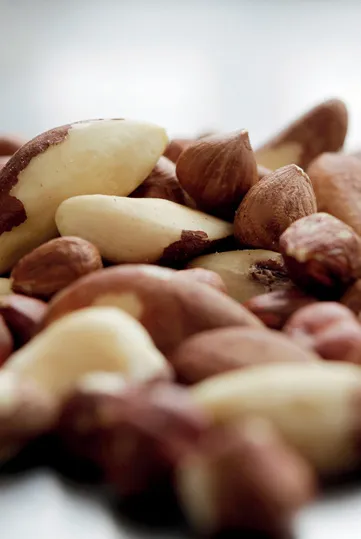
Here the only limit is your imagination, fruit, chocolate, spices, even vegetables. There is, Denis argues, a cheesecake for every occasion.
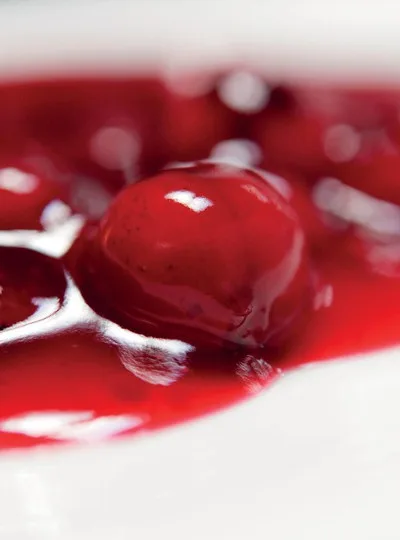
The finishing touch that adds flavour and quietly repairs any cracks: fresh berries, sliced fruit, grated chocolate, cream mixes or jam, always added once the cake is fully baked and cooled.

You need surprisingly little. If you have these, you won’t be lacking anything.
Crush the biscuits well, a good tip is to seal them in two plastic bags and go at them with a rolling pin. Mix with plenty of melted butter, press firmly into a buttered tin (build up an edge if you like), and pre bake for about 5 minutes at 160°C.
Add eggs, sugar, vanilla and lemon zest to the cream cheese and whisk until even and creamy. The one rule: don’t over whisk. Beating too much air into the batter is what leads to a cracked top. A little cornflour helps too.
This is where the magic happens, fold through fruit, chocolate, spices or whatever your recipe calls for, then pour the filling over the cooled base.
Around 40 to 50 minutes at 150 to 160°C (not fan). The edges may turn light brown; if the middle browns, lower the heat. Never rush the temperature, it only makes the cake dry and sad.
Turn the oven off and leave the cake inside for another 40 to 50 minutes without opening the door. It’s doing just fine. Then cool it on the counter.
Only once the cake is fully cooled, add the topping, it adds flavour and neatly hides any cracks. Then chill for at least 6 hours, preferably overnight. A cheesecake only improves as it sets.
Low and slow. A baked cheesecake usually wants around 40 to 50 minutes at 150 to 160°C (not fan). Turning the heat up to save time only makes it dry and sad.
Do not over whisk the filling, beating in air is the usual culprit. A little cornflour helps, and after baking, leave the cake in the switched off oven for 40 to 50 minutes without opening the door. Any cracks that appear are easily hidden by the topping.
Yes. A cheesecake is so much better when it sets in a cool place overnight, the flavours mingle and improve. You can serve it 2 to 4 hours after baking in a pinch, but the next day is best.
Always wait until the cake is fully baked and has cooled down. The topping adds flavour and neatly repairs any cracks in the surface.
If it sticks after chilling, wrap a wet kitchen towel around the tin, or carefully run a small, sharp knife around the edge.
Very little: an 18 to 20 cm springform tin, a blender or mortar to crush biscuits, a whisk, a couple of bowls, a small saucepan, a grater and kitchen scales. That is really all.